Buy kispali.eu ?
We are moving the project
kispali.eu .
Are you interested in purchasing the domain
kispali.eu ?
domain@kv-gmbh.de · 0541-91531010
Buy kispali.eu ?
What is the replication origin in DNA replication?
The replication origin is a specific sequence of DNA where the process of DNA replication begins. It is the site where the two strands of the DNA double helix are separated and the replication machinery is assembled. The replication origin is recognized by specific proteins that initiate the unwinding of the DNA and the synthesis of new DNA strands. Each DNA molecule has multiple replication origins to ensure that the entire genome is replicated efficiently. **
What is semiconservative replication?
Semiconservative replication is the process by which DNA is copied during cell division. In this process, the two strands of the DNA double helix separate, and each strand serves as a template for the synthesis of a new complementary strand. As a result, each new DNA molecule contains one original strand and one newly synthesized strand. This ensures that the genetic information is preserved and passed on to the next generation of cells. This process was first proposed by James Watson and Francis Crick in 1953. **

Similar search terms for Replication
Top-Angebote
Products related to Replication:
-
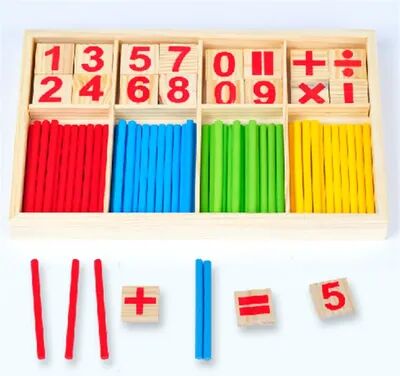
Smart Shopping Spot Wooden Digital Stick Educational Toys For Children, Montessori Math Teaching Aid For Knowledge Wooden Digital Stick Educational Toys For Children, Montessori Math Teaching Aid For KnowledgeFun and Engaging Learning Tool Introduce your child to the world of mathematics enlightenment with these Wooden Educational Toys. Designed to foster a love for learning, this Montessoriinspired tool uses digital sticks to make math both fun and...34,97 $*Shipping: 0,00 $Secure redirect to the provider
-
Inspire Daily Merch Mini Portable Lens Carrot Telescope 3D Printed Educational Games For Kids Gifts Retractable Toys Mini Portable Lens Carrot Telescope 3D Printed Educational Games For Kids Gifts Retractable ToysDiscover the World with the 8x Lens Carrot Telescope Introduce your child to the wonders of the world with the 8x Lens Carrot Telescope. This unique, mini portable telescope is perfect for young adventurers, offering an exciting way to explore...59,97 $*Shipping: 0,00 $Secure redirect to the provider
-
Youfap Market Pinball Battle Table Toys, Children Board Games, Soccer Marble Shoot Game, Family Fun Interactive Social Toy Pinball Battle Table Toys, Children Board Games, Soccer Marble Shoot Game, Family Fun Interactive Social ToyEngage in Interactive Family Fun with the Children Pinball Machine This children pinball machine provides hours of interactive fun, combining the thrill of board games with the excitement of pinball battle. Designed for kids and families alike, it...64,97 $*Shipping: 0,00 $Secure redirect to the provider
-
The Cart Load NEW Educational Learning Toys For Kids, Toddlers, Interactive Learning Pad, Best Early Learning Tool For Children NEW Educational Learning Toys For Kids, Toddlers, Interactive Learning Pad, Best Early Learning Tool For ChildrenStimulate Learning Through Synergy with the NEW Educational Learning Toys for Kid Give your child a head start in their learning journey with the NEW Educational Learning Toys for Kids, designed to captivate and engage toddlers aged 2 to 7. This...39,97 $*Shipping: 0,00 $Secure redirect to the provider



-
What is DNA replication?
DNA replication is the process by which a cell makes an identical copy of its DNA. This process is essential for cell division and the transmission of genetic information from one generation to the next. It involves the unwinding of the DNA double helix, the synthesis of new complementary strands using the existing strands as templates, and the proofreading and correction of any errors. DNA replication ensures that each new cell receives a complete and accurate set of genetic instructions. **
-
Where does DNA replication occur?
DNA replication occurs in the nucleus of eukaryotic cells and in the cytoplasm of prokaryotic cells. In eukaryotic cells, DNA replication takes place during the S phase of the cell cycle, when the DNA is duplicated to ensure that each daughter cell receives a complete set of genetic information. The process involves the unwinding of the DNA double helix, the synthesis of new DNA strands using existing strands as templates, and the proofreading and correction of errors. Overall, DNA replication is a fundamental process that ensures the accurate transmission of genetic information from one generation to the next. **
-
What is a replication bubble?
A replication bubble is a region of DNA where the double helix has been unwound and separated to allow for DNA replication to occur. It is formed by the action of helicase enzymes that unwind the DNA strands, creating two single-stranded templates for the replication process. The replication bubble expands as the replication machinery moves along the DNA, synthesizing new strands of DNA. Replication bubbles are a key feature of DNA replication and allow for the efficient and accurate copying of genetic information. **
-
What is RNA self-replication?
RNA self-replication is a process where RNA molecules are able to catalyze their own replication without the need for external enzymes. This ability is crucial for the early evolution of life on Earth, as it is believed to be a key step in the transition from prebiotic chemistry to the emergence of life. RNA self-replication involves the RNA molecule acting as both a template and an enzyme, allowing it to make copies of itself. This process is a fundamental aspect of the RNA world hypothesis, which suggests that RNA played a central role in the origin of life. **
How does DNA replication occur?
DNA replication occurs in a semi-conservative manner, where the two strands of the double helix are separated and each strand serves as a template for the synthesis of a new complementary strand. The enzyme helicase unwinds the double helix, creating two single strands. DNA polymerase then adds new nucleotides to each single strand, following the base-pairing rules (A with T, and C with G). This results in two identical double-stranded DNA molecules, each containing one original strand and one newly synthesized strand. **
How can one label DNA replication?
DNA replication can be labeled by incorporating a radioactive or fluorescent nucleotide into the newly synthesized DNA strands. This can be achieved by adding the labeled nucleotide to the culture medium of cells undergoing replication. The labeled nucleotide will be incorporated into the growing DNA strands, allowing the visualization and tracking of the replication process. Additionally, techniques such as autoradiography or fluorescence microscopy can be used to detect and analyze the labeled DNA strands. **
Top-Angebote
Products related to Replication:
-
DOLU Toys 7-in-1 Backyard Playground Outdoor Use for Children Ages 2 to 5 YearsTHE 7-IN-1 PLAYGROUND features a swing, slide, basketball net, goal for soccer and more offering kids even more ways to play. The toddlers swing seat is height adjustable to make sure that your kids get years of fun from the Dolu playground.378,49 $*Shipping: 0,00 $Secure redirect to the provider
-
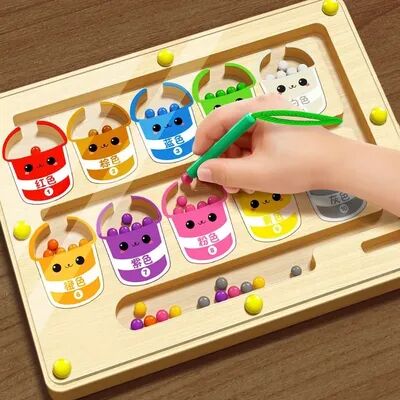
Tiny Tots Teens Trends Educational Toys For Kids, Montessori Magnetic Color Sorting Games, Sensory Play Maze Board Pen, Wooden Bead Games Educational Toys For Kids, Montessori Magnetic Color Sorting Games, Sensory Play Maze Board Pen, Wooden Bead GamesEngage Kids with Montessori Magnetic Color Sorting Games This Montessori Magnetic Color Sorting Game is designed to captivate childrens attention while helping them develop essential cognitive skills. Crafted from durable wooden materials, this...43,97 $*Shipping: 0,00 $Secure redirect to the provider
-
Smart Shopping Spot Wooden Digital Stick Educational Toys For Children, Montessori Math Teaching Aid For Knowledge Wooden Digital Stick Educational Toys For Children, Montessori Math Teaching Aid For KnowledgeFun and Engaging Learning Tool Introduce your child to the world of mathematics enlightenment with these Wooden Educational Toys. Designed to foster a love for learning, this Montessoriinspired tool uses digital sticks to make math both fun and...34,97 $*Shipping: 0,00 $Secure redirect to the provider
-
Inspire Daily Merch Mini Portable Lens Carrot Telescope 3D Printed Educational Games For Kids Gifts Retractable Toys Mini Portable Lens Carrot Telescope 3D Printed Educational Games For Kids Gifts Retractable ToysDiscover the World with the 8x Lens Carrot Telescope Introduce your child to the wonders of the world with the 8x Lens Carrot Telescope. This unique, mini portable telescope is perfect for young adventurers, offering an exciting way to explore...59,97 $*Shipping: 0,00 $Secure redirect to the provider
-
What is the replication origin in DNA replication?
The replication origin is a specific sequence of DNA where the process of DNA replication begins. It is the site where the two strands of the DNA double helix are separated and the replication machinery is assembled. The replication origin is recognized by specific proteins that initiate the unwinding of the DNA and the synthesis of new DNA strands. Each DNA molecule has multiple replication origins to ensure that the entire genome is replicated efficiently. **
-
What is semiconservative replication?
Semiconservative replication is the process by which DNA is copied during cell division. In this process, the two strands of the DNA double helix separate, and each strand serves as a template for the synthesis of a new complementary strand. As a result, each new DNA molecule contains one original strand and one newly synthesized strand. This ensures that the genetic information is preserved and passed on to the next generation of cells. This process was first proposed by James Watson and Francis Crick in 1953. **
-
What is DNA replication?
DNA replication is the process by which a cell makes an identical copy of its DNA. This process is essential for cell division and the transmission of genetic information from one generation to the next. It involves the unwinding of the DNA double helix, the synthesis of new complementary strands using the existing strands as templates, and the proofreading and correction of any errors. DNA replication ensures that each new cell receives a complete and accurate set of genetic instructions. **
-
Where does DNA replication occur?
DNA replication occurs in the nucleus of eukaryotic cells and in the cytoplasm of prokaryotic cells. In eukaryotic cells, DNA replication takes place during the S phase of the cell cycle, when the DNA is duplicated to ensure that each daughter cell receives a complete set of genetic information. The process involves the unwinding of the DNA double helix, the synthesis of new DNA strands using existing strands as templates, and the proofreading and correction of errors. Overall, DNA replication is a fundamental process that ensures the accurate transmission of genetic information from one generation to the next. **
Similar search terms for Replication
-
Youfap Market Pinball Battle Table Toys, Children Board Games, Soccer Marble Shoot Game, Family Fun Interactive Social Toy Pinball Battle Table Toys, Children Board Games, Soccer Marble Shoot Game, Family Fun Interactive Social ToyEngage in Interactive Family Fun with the Children Pinball Machine This children pinball machine provides hours of interactive fun, combining the thrill of board games with the excitement of pinball battle. Designed for kids and families alike, it...64,97 $*Shipping: 0,00 $Secure redirect to the provider
-
The Cart Load NEW Educational Learning Toys For Kids, Toddlers, Interactive Learning Pad, Best Early Learning Tool For Children NEW Educational Learning Toys For Kids, Toddlers, Interactive Learning Pad, Best Early Learning Tool For ChildrenStimulate Learning Through Synergy with the NEW Educational Learning Toys for Kid Give your child a head start in their learning journey with the NEW Educational Learning Toys for Kids, designed to captivate and engage toddlers aged 2 to 7. This...39,97 $*Shipping: 0,00 $Secure redirect to the provider
-
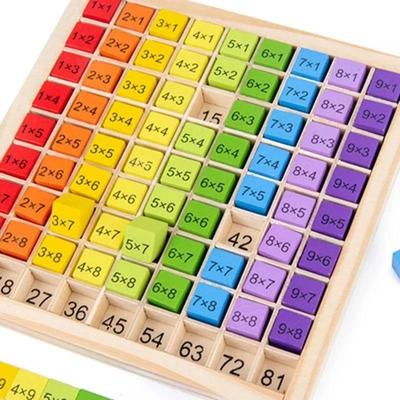
Lush Living Finds Montessori Wooden Math Toys For Children, Educational Multiplication Table Math Teaching Aids For Kids And Toddlers Montessori Wooden Math Toys For Children, Educational Multiplication Table Math Teaching Aids For Kids And ToddlersDiscover the perfect Montessori Educational Wooden Math Toys for Kids designed to foster early learning and development. Crafted from highquality wood, this educational toy offers a handson approach to teaching the 99 Multiplication Table and basic...21,97 $*Shipping: 0,00 $Secure redirect to the provider
-
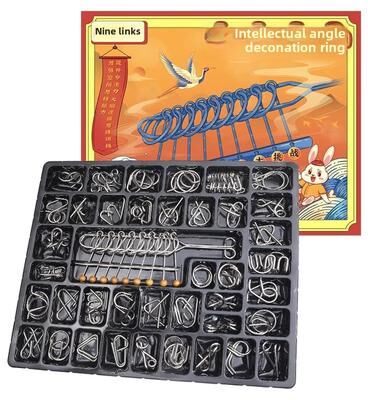
Combo Retail Shop Nine Link Intelligent Buckle Educational Toy Lock Full Set, Educational Toys For Children And Primary Learning 25 pieceIntroduce your child to the world of learning with the Nine Link Intelligent Buckle Educational Toy Lock Full Set. Designed to enhance cognitive skills and fine motor abilities, this 24piece set offers an exciting way to engage children in...115,97 $*Shipping: 0,00 $Secure redirect to the provider
-
What is a replication bubble?
A replication bubble is a region of DNA where the double helix has been unwound and separated to allow for DNA replication to occur. It is formed by the action of helicase enzymes that unwind the DNA strands, creating two single-stranded templates for the replication process. The replication bubble expands as the replication machinery moves along the DNA, synthesizing new strands of DNA. Replication bubbles are a key feature of DNA replication and allow for the efficient and accurate copying of genetic information. **
-
What is RNA self-replication?
RNA self-replication is a process where RNA molecules are able to catalyze their own replication without the need for external enzymes. This ability is crucial for the early evolution of life on Earth, as it is believed to be a key step in the transition from prebiotic chemistry to the emergence of life. RNA self-replication involves the RNA molecule acting as both a template and an enzyme, allowing it to make copies of itself. This process is a fundamental aspect of the RNA world hypothesis, which suggests that RNA played a central role in the origin of life. **
-
How does DNA replication occur?
DNA replication occurs in a semi-conservative manner, where the two strands of the double helix are separated and each strand serves as a template for the synthesis of a new complementary strand. The enzyme helicase unwinds the double helix, creating two single strands. DNA polymerase then adds new nucleotides to each single strand, following the base-pairing rules (A with T, and C with G). This results in two identical double-stranded DNA molecules, each containing one original strand and one newly synthesized strand. **
-
How can one label DNA replication?
DNA replication can be labeled by incorporating a radioactive or fluorescent nucleotide into the newly synthesized DNA strands. This can be achieved by adding the labeled nucleotide to the culture medium of cells undergoing replication. The labeled nucleotide will be incorporated into the growing DNA strands, allowing the visualization and tracking of the replication process. Additionally, techniques such as autoradiography or fluorescence microscopy can be used to detect and analyze the labeled DNA strands. **
* All prices are inclusive of VAT and, if applicable, plus shipping costs. The offer information is based on the details provided by the respective shop and is updated through automated processes. Real-time updates do not occur, so deviations can occur in individual cases. ** Note: Parts of this content were created by AI.