Buy kispali.eu ?
We are moving the project
kispali.eu .
Are you interested in purchasing the domain
kispali.eu ?
domain@kv-gmbh.de · 0541-91531010
Buy kispali.eu ?
When do children ask questions?
Children ask questions at various times throughout the day, but they tend to ask more questions when they are curious, confused, or trying to understand something new. They may also ask questions when they are seeking attention, validation, or reassurance. Overall, children ask questions as a way to learn about the world around them and to make sense of their experiences. **
Which estimation questions are suitable for children?
Estimation questions that involve familiar objects or activities are suitable for children. For example, asking children to estimate the number of toys in a box, the length of a piece of string, or the amount of time it takes to walk to a certain location are all appropriate for their age and understanding. Additionally, estimation questions that relate to their daily routines, such as estimating the number of cookies in a jar or the number of minutes it takes to brush their teeth, are also suitable for children. These types of questions allow children to practice their estimation skills in a context that is relevant and relatable to them. **
Similar search terms for Questions
Top-Angebote
Products related to Questions:
-
OM Books International Tell Me How? 12 Books Collection Set – Educational Questions & Answers Collection for KidsTell Me How? Collection Of 12 Books (How Many arms does a starfish have?, How Far can pollen travel ?, How Do Fish Breathe In Water?, How Do Crocodiles Clean Their Teeth? & More): Titles in This Set: Encyclopedia: How Many arms does a starfish have ? Encyclopedia: How Were dinosaurs different from other Reptiles ? Encyclopedia: How Far can pollen travel ? Encyclopedia: How Do Fish Breathe In Water? Encyclopedia: How Do Crocodiles Clean Their Teeth? Encyclopedia: How Do Planets Get Their Names? Encyclopedia: How Does a keyboard put your words on screen ? Encyclopedia: How Do robots see the world ? Encyclopedia: How Does a computer remember things ? Encyclopedia: How Do Onions Make Me Cry? Encyclopedia: How Does A Watch Tell Time? Encyclopedia: How Are Candies Made? Description: This collection of 12 books is ready to answer the questions of young, inquisitive minds! The Tell Me How? series is a curation that seeks to answer the ‘Hows’ of a wide range of subjects through simple explanations. A sure shot way of making kids learn about new things while indulging their curiosities about the world!9,99 £*Shipping: 2,99 £Secure redirect to the provider
-
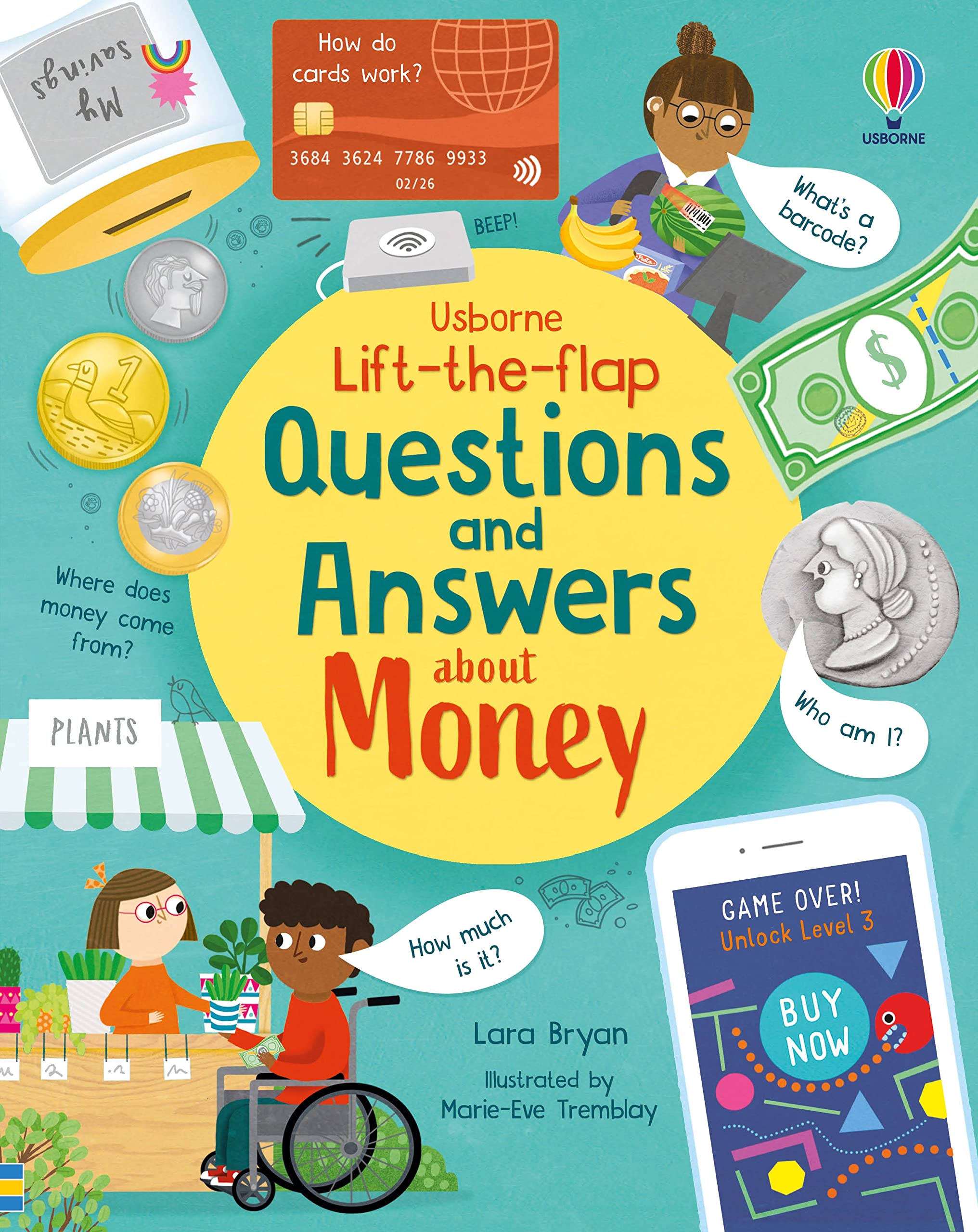
Usborne Publishing Ltd Lift-the-flap Questions and Answers about Money (Usborne Lift-the-Flap First Questions and Answers)Understanding money today is so much more than learning about notes and coins. Where does money come from? Why do I have to save? What happens if I click BUY NOW? Find answers to important money questions, and some silly ones too in this friendly and useful book. - The question and answer lift-the-flap format is a perfect reading tool for curious kids - Written in consultation with money management expert Bobby Seagull - TV and radio presenter, teacher and ambassador for the National Numeracy charity - Early learning about money is key to building good money habits4,95 £*Shipping: 1,99 £Secure redirect to the provider
-
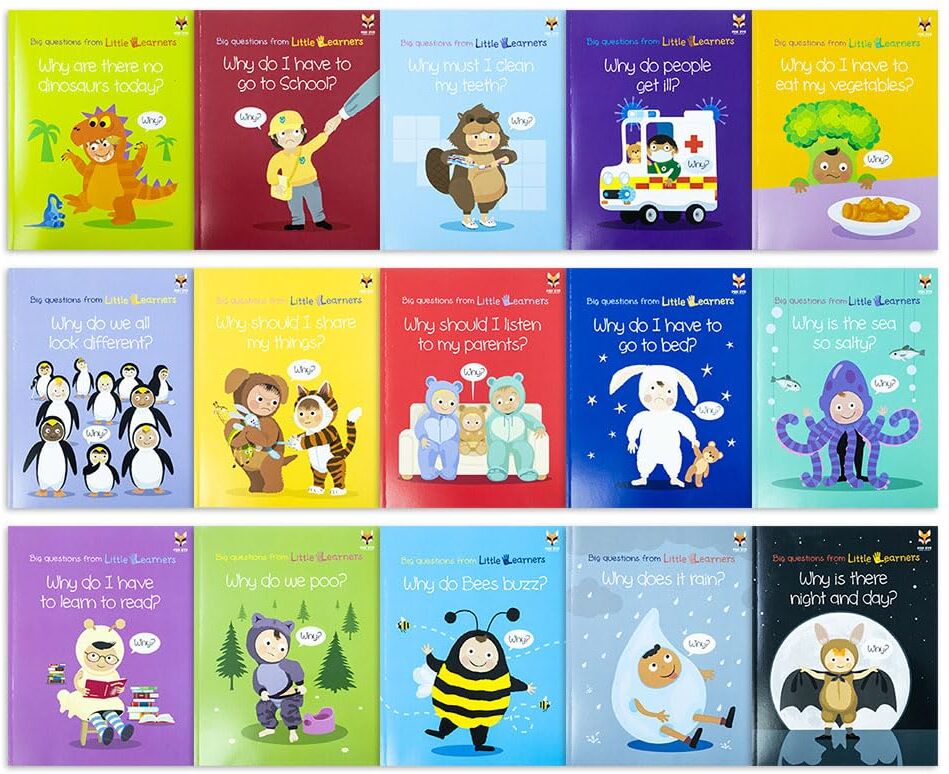
Fox Eye Publishing Big Questions from Little Learners 15 Books Collection Set – Educational Learning Collection for KidsYoung children are very curious about the world around them.They love to ask us lots of questions and expect adults to have all the answers.Do not worry as help is at hand.This colourful series of books will amuse whilst providing simple answers to their most common and difficult of questions. Titles in this series: Why is there day and night? Why do people get ill? Why should i share my things? Why must i clean my teeth? Why do i have to go to school? Why do i have to eat my vegetables? Why does it rain? Why is the sea so salty? Why do i have to go to bed? Why do Bees buzz? Why do we poo? Why are there no dinosaurs today? Why should i listen to my parents? Why do we all look different? Why do i have to learn to read?14,99 £*Shipping: 2,99 £Secure redirect to the provider
-
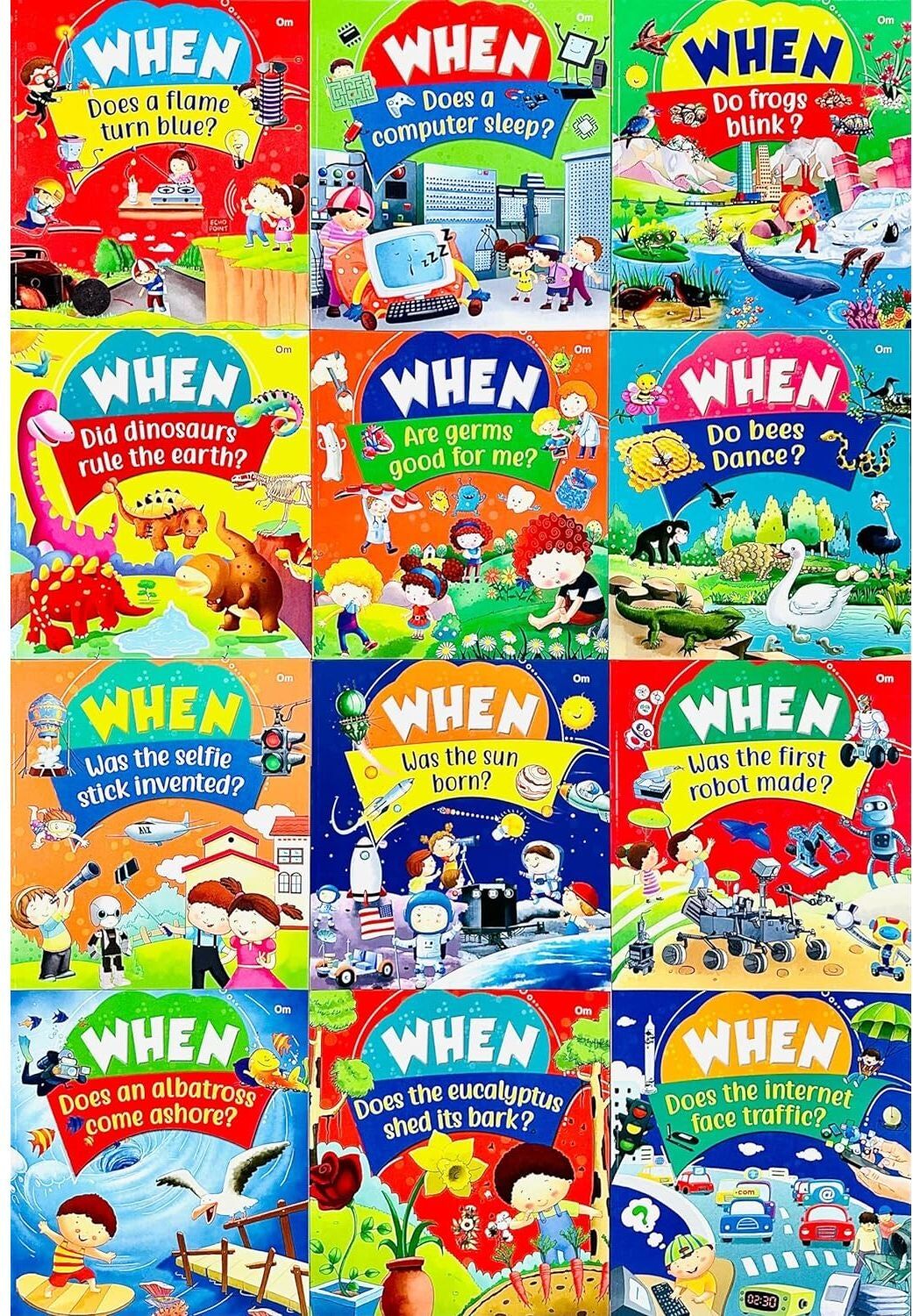
OM Books International Tell Me When? Collection of 12 Books – Fun Science Questions & Educational Discovery Books for KidsTell Me When? Collection of 12 Books (When Does A Flame Turn Blue?, Does a computer sleep?, Do Frogs Blink?, Did Dinosaurs Rule the Earth, Germs Good For Me?, Do Bees Dance? & More) Titles in This Set: When Does a flame turn blue? When Does a computer sleep? When Do Frogs Blink? When Did Dinosaurs Rule the Earth? When Are germs good for me? When Do Bees Dance? When Was the Selfie Stick Invented? When Was The Sun Born? When Was The First Robot Made? When Does An Albatross Come Ashore? When Does The eucalyptus Shed Its Bark? When Does The Internet Face Traffic? Description: This collection of 12 books is ready to answer the questions of young, inquisitive minds! The Tell Me When? series is a curation that seeks to answer the ‘When’ of a wide range of subjects through simple explanations. A sure shot way of making kids learn about new things while indulging their curiosities about the world!9,95 £*Shipping: 2,99 £Secure redirect to the provider

-
How can one avoid children asking stupid questions?
It is important to remember that children's questions are often a way for them to learn and understand the world around them. Instead of labeling their questions as "stupid," it is helpful to encourage their curiosity and provide them with opportunities to explore and discover answers on their own. Engaging in open and honest conversations with children, encouraging critical thinking, and fostering a supportive environment where they feel comfortable asking questions can help avoid them feeling hesitant to ask or being labeled as asking "stupid" questions. **
-
How can one stop asking questions during games?
One way to stop asking questions during games is to focus on the present moment and immerse oneself in the game. This can be achieved by practicing mindfulness and staying fully engaged in the gameplay. Additionally, setting specific goals and objectives for the game can help to keep the focus on the task at hand rather than getting distracted by questions. It can also be helpful to remind oneself that asking too many questions can disrupt the flow of the game and impact the experience for oneself and others. **
-
Questions upon questions: Emigrating to Serbia?
Emigrating to Serbia can be a complex process that requires careful planning and consideration. It is important to research the visa requirements, job opportunities, cost of living, and cultural differences before making the decision to move. Seeking advice from expats who have already made the move or consulting with immigration professionals can also be helpful in navigating the emigration process. Ultimately, it is essential to weigh the pros and cons and make an informed decision based on your individual circumstances and goals. **
-
What are Tarot questions about questions?
Tarot questions about questions are inquiries that seek guidance and insight into a specific situation or decision. These questions are designed to help the individual gain clarity and understanding about a particular issue by tapping into the wisdom of the Tarot cards. They can be used to explore different perspectives, uncover hidden influences, and provide guidance on how to approach a situation. Ultimately, Tarot questions about questions are a tool for self-reflection and introspection. **
Which questions are actually not questions?
Some questions that are not actually questions include rhetorical questions, which are asked for effect or to make a point rather than to elicit a response. For example, "Isn't it a beautiful day?" is a rhetorical question because the speaker is not seeking an answer, but rather making a statement about the weather. Additionally, some statements may be phrased as questions but are not seeking a genuine response, such as "You're not serious, are you?" which is more of an expression of disbelief than a true question. **
How can one prevent children from asking silly questions?
It is important to remember that children's questions are a natural part of their curiosity and learning process. Instead of preventing them from asking questions, it is more beneficial to encourage them to ask questions and provide them with guidance on how to ask thoughtful and relevant questions. Parents and educators can help children develop critical thinking skills by engaging in discussions, encouraging them to explore topics further, and teaching them how to research and find answers to their questions. By fostering a positive environment for questioning and learning, children will be more likely to ask meaningful questions. **
Top-Angebote
Products related to Questions:
-
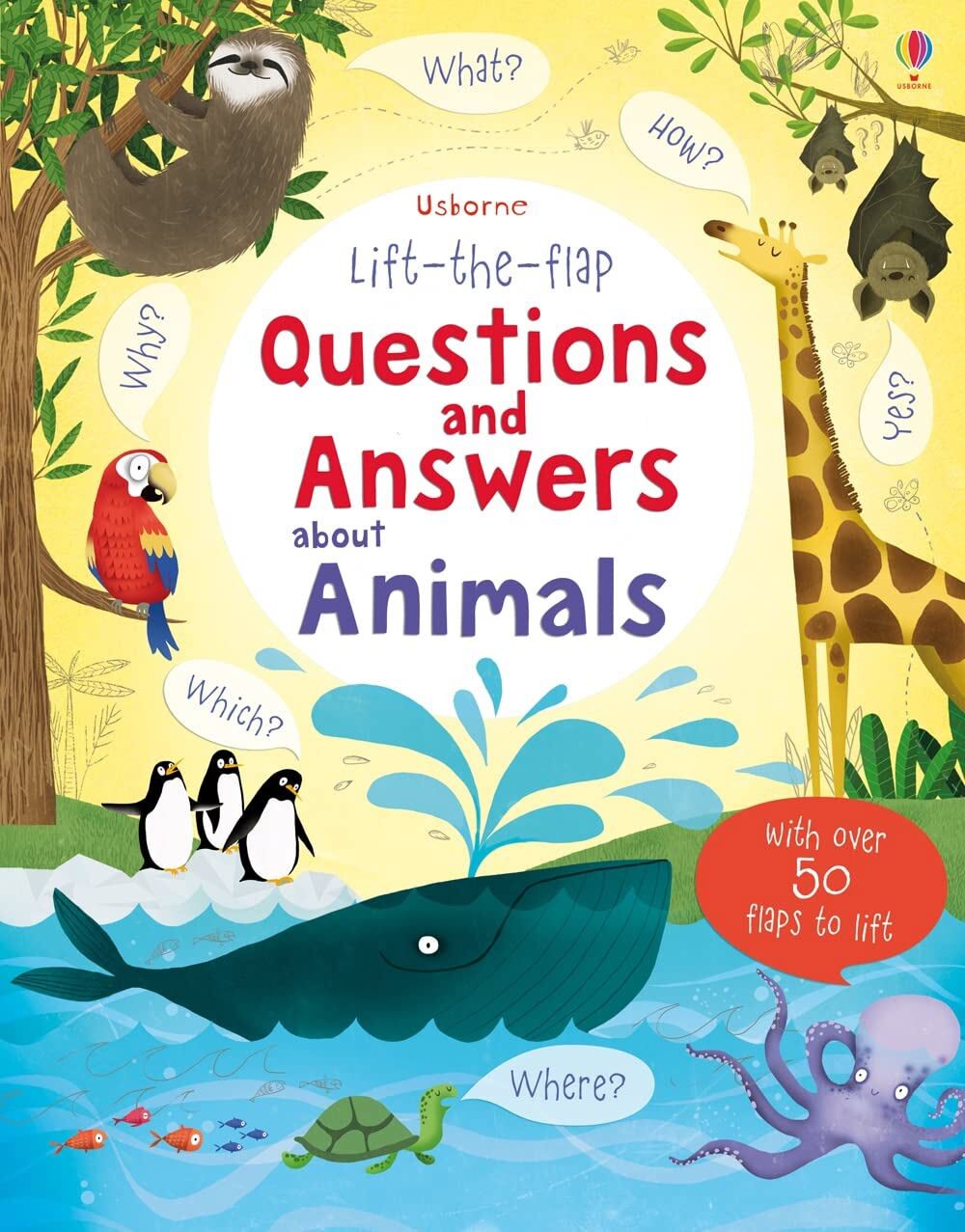
Lift the Flap Questions and Answers about Animals (Usborne Questions and Answers)This delightful book answers all kinds of animal questions that young children might ask, such as "where do fish sleep?", "do elephants have teeth" and "why do frogs jump?" Just lift the flaps to discover what, where, which, how and why! With entertaining illustrations and over 50 flaps to open.4,99 £*Shipping: 1,99 £Secure redirect to the provider
-
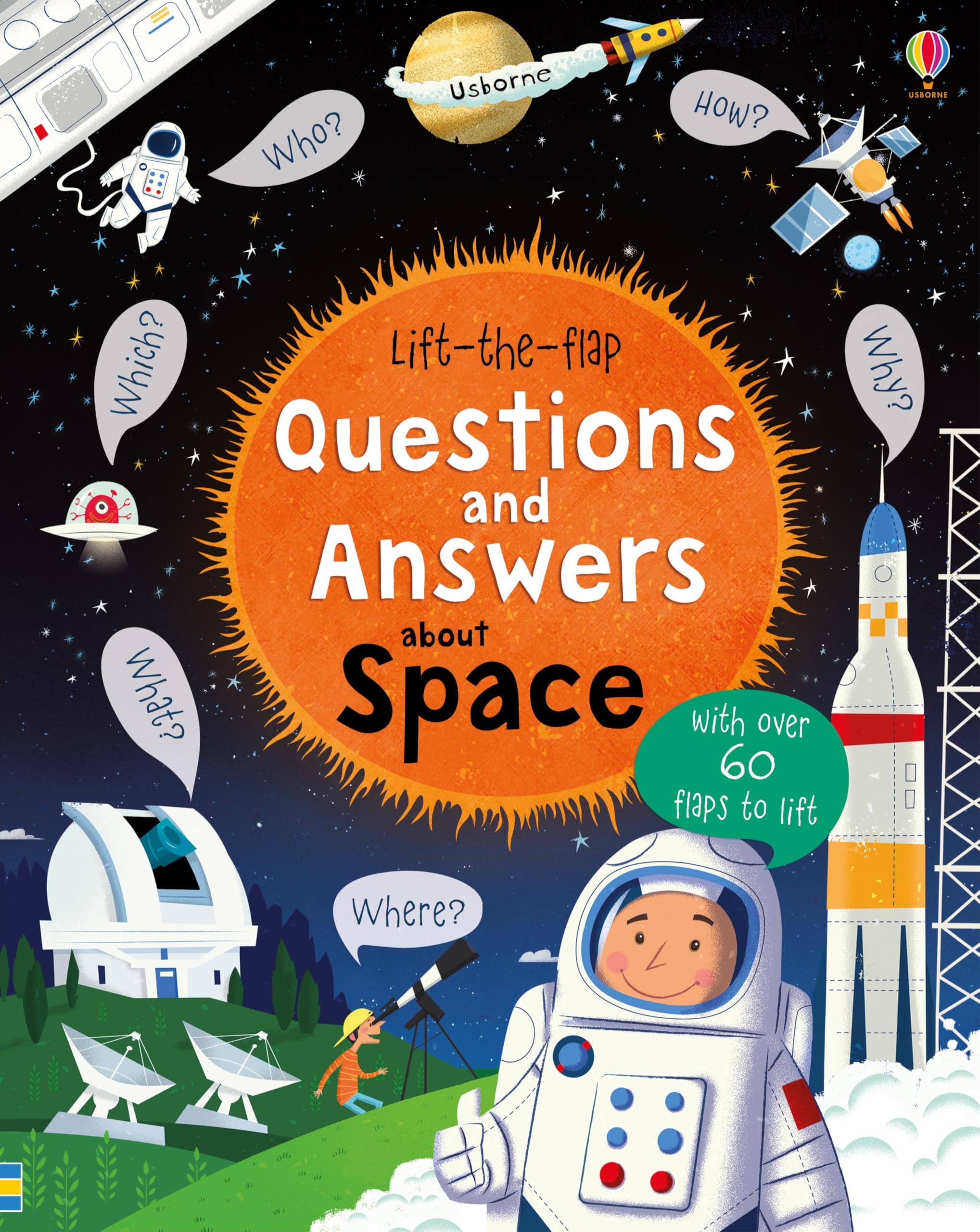
Usborne Publishing Ltd Lift-the-Flap Questions and Answers About Space (Usborne Lift-the-Flap Questions and Answers)With over 60 flaps to lift, this delightful book answers questions such as 'Where have people visited in space?', 'What's a cosmonaut?', 'Why can't I see stars in daytime'; and lots more what, where, how, why, and yes or no questions with answers beneath the flaps. Internet links take children to carefully selected websites to find out more.4,99 £*Shipping: 1,99 £Secure redirect to the provider
-
OM Books International Tell Me How? 12 Books Collection Set – Educational Questions & Answers Collection for KidsTell Me How? Collection Of 12 Books (How Many arms does a starfish have?, How Far can pollen travel ?, How Do Fish Breathe In Water?, How Do Crocodiles Clean Their Teeth? & More): Titles in This Set: Encyclopedia: How Many arms does a starfish have ? Encyclopedia: How Were dinosaurs different from other Reptiles ? Encyclopedia: How Far can pollen travel ? Encyclopedia: How Do Fish Breathe In Water? Encyclopedia: How Do Crocodiles Clean Their Teeth? Encyclopedia: How Do Planets Get Their Names? Encyclopedia: How Does a keyboard put your words on screen ? Encyclopedia: How Do robots see the world ? Encyclopedia: How Does a computer remember things ? Encyclopedia: How Do Onions Make Me Cry? Encyclopedia: How Does A Watch Tell Time? Encyclopedia: How Are Candies Made? Description: This collection of 12 books is ready to answer the questions of young, inquisitive minds! The Tell Me How? series is a curation that seeks to answer the ‘Hows’ of a wide range of subjects through simple explanations. A sure shot way of making kids learn about new things while indulging their curiosities about the world!9,99 £*Shipping: 2,99 £Secure redirect to the provider
-
Usborne Publishing Ltd Lift-the-flap Questions and Answers about Money (Usborne Lift-the-Flap First Questions and Answers)Understanding money today is so much more than learning about notes and coins. Where does money come from? Why do I have to save? What happens if I click BUY NOW? Find answers to important money questions, and some silly ones too in this friendly and useful book. - The question and answer lift-the-flap format is a perfect reading tool for curious kids - Written in consultation with money management expert Bobby Seagull - TV and radio presenter, teacher and ambassador for the National Numeracy charity - Early learning about money is key to building good money habits4,95 £*Shipping: 1,99 £Secure redirect to the provider
-
When do children ask questions?
Children ask questions at various times throughout the day, but they tend to ask more questions when they are curious, confused, or trying to understand something new. They may also ask questions when they are seeking attention, validation, or reassurance. Overall, children ask questions as a way to learn about the world around them and to make sense of their experiences. **
-
Which estimation questions are suitable for children?
Estimation questions that involve familiar objects or activities are suitable for children. For example, asking children to estimate the number of toys in a box, the length of a piece of string, or the amount of time it takes to walk to a certain location are all appropriate for their age and understanding. Additionally, estimation questions that relate to their daily routines, such as estimating the number of cookies in a jar or the number of minutes it takes to brush their teeth, are also suitable for children. These types of questions allow children to practice their estimation skills in a context that is relevant and relatable to them. **
-
How can one avoid children asking stupid questions?
It is important to remember that children's questions are often a way for them to learn and understand the world around them. Instead of labeling their questions as "stupid," it is helpful to encourage their curiosity and provide them with opportunities to explore and discover answers on their own. Engaging in open and honest conversations with children, encouraging critical thinking, and fostering a supportive environment where they feel comfortable asking questions can help avoid them feeling hesitant to ask or being labeled as asking "stupid" questions. **
-
How can one stop asking questions during games?
One way to stop asking questions during games is to focus on the present moment and immerse oneself in the game. This can be achieved by practicing mindfulness and staying fully engaged in the gameplay. Additionally, setting specific goals and objectives for the game can help to keep the focus on the task at hand rather than getting distracted by questions. It can also be helpful to remind oneself that asking too many questions can disrupt the flow of the game and impact the experience for oneself and others. **
Similar search terms for Questions
-
Fox Eye Publishing Big Questions from Little Learners 15 Books Collection Set – Educational Learning Collection for KidsYoung children are very curious about the world around them.They love to ask us lots of questions and expect adults to have all the answers.Do not worry as help is at hand.This colourful series of books will amuse whilst providing simple answers to their most common and difficult of questions. Titles in this series: Why is there day and night? Why do people get ill? Why should i share my things? Why must i clean my teeth? Why do i have to go to school? Why do i have to eat my vegetables? Why does it rain? Why is the sea so salty? Why do i have to go to bed? Why do Bees buzz? Why do we poo? Why are there no dinosaurs today? Why should i listen to my parents? Why do we all look different? Why do i have to learn to read?14,99 £*Shipping: 2,99 £Secure redirect to the provider
-
OM Books International Tell Me When? Collection of 12 Books – Fun Science Questions & Educational Discovery Books for KidsTell Me When? Collection of 12 Books (When Does A Flame Turn Blue?, Does a computer sleep?, Do Frogs Blink?, Did Dinosaurs Rule the Earth, Germs Good For Me?, Do Bees Dance? & More) Titles in This Set: When Does a flame turn blue? When Does a computer sleep? When Do Frogs Blink? When Did Dinosaurs Rule the Earth? When Are germs good for me? When Do Bees Dance? When Was the Selfie Stick Invented? When Was The Sun Born? When Was The First Robot Made? When Does An Albatross Come Ashore? When Does The eucalyptus Shed Its Bark? When Does The Internet Face Traffic? Description: This collection of 12 books is ready to answer the questions of young, inquisitive minds! The Tell Me When? series is a curation that seeks to answer the ‘When’ of a wide range of subjects through simple explanations. A sure shot way of making kids learn about new things while indulging their curiosities about the world!9,95 £*Shipping: 2,99 £Secure redirect to the provider
-
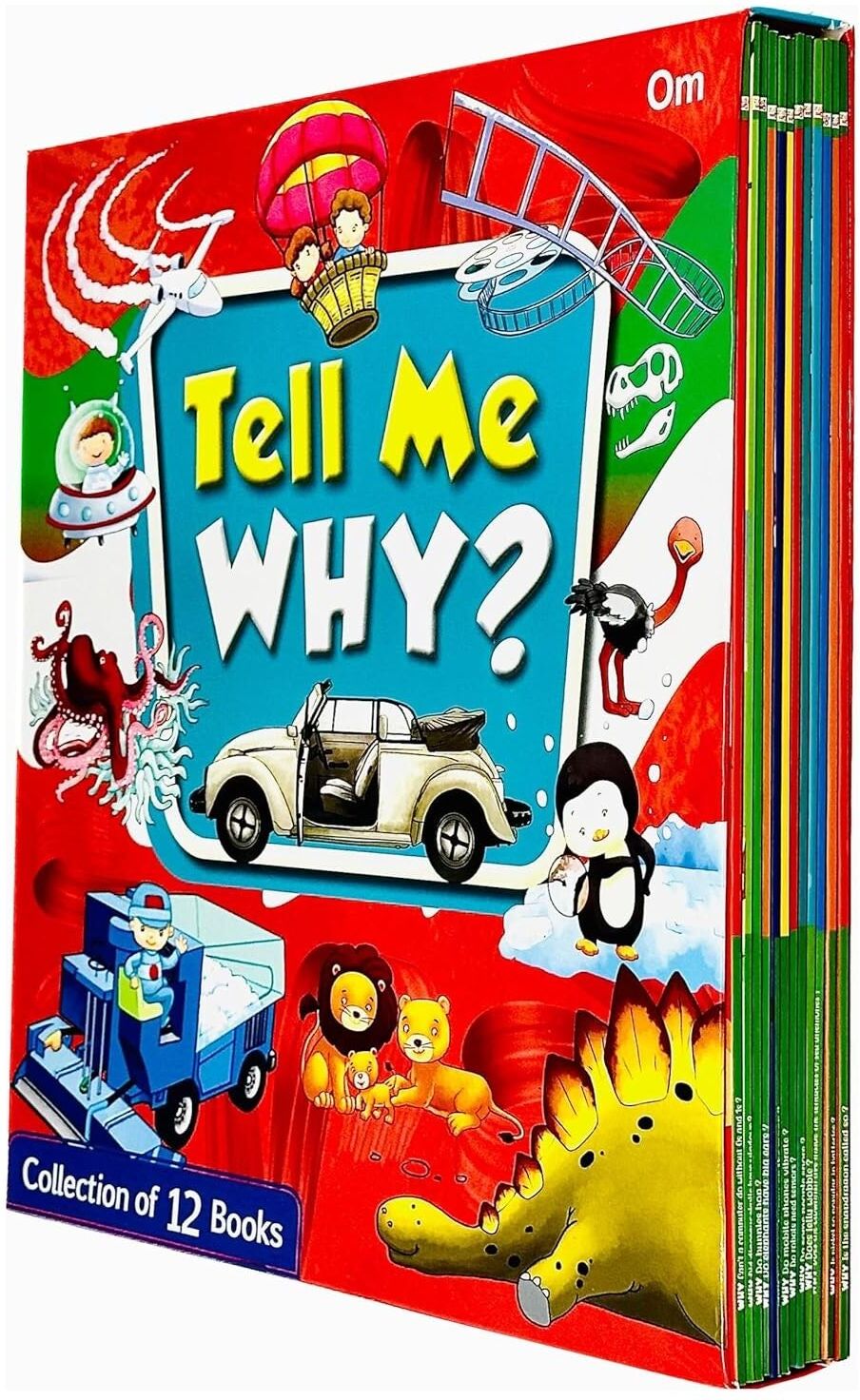
OM Books International Tell Me Why? Collection of 12 Books – Fun Science Questions & Educational Discovery Books for Curious KidsTell me why? Collection of 12 Books: Titles in This Set: Why Is the snapdragon called so? Why Is nickel so popular in batteries? Why Does the clownfish live inside the tentacles of sea anemones? Why Does Jelly Wobble? Why Do Some People Snore? Why Do robots need sensors? Why Do Mobile Phones Vibrate? Why can't a computer do without 0s and 1s ? Why Did dinosaur skulls have windows? Why Do I see a bunny on the moon? Why do elephants have big ears? Why Do Bunnies Hop? Description: This collection of 12 books is ready to answer the questions of young, inquisitive minds! Kids are always hungry for Knowledge Satisfy their curiosity about the world with this insightful, multi-volume series.as it provides answers to some of their many Hows. Whys, Whats and Whens!9,95 £*Shipping: 2,99 £Secure redirect to the provider
-
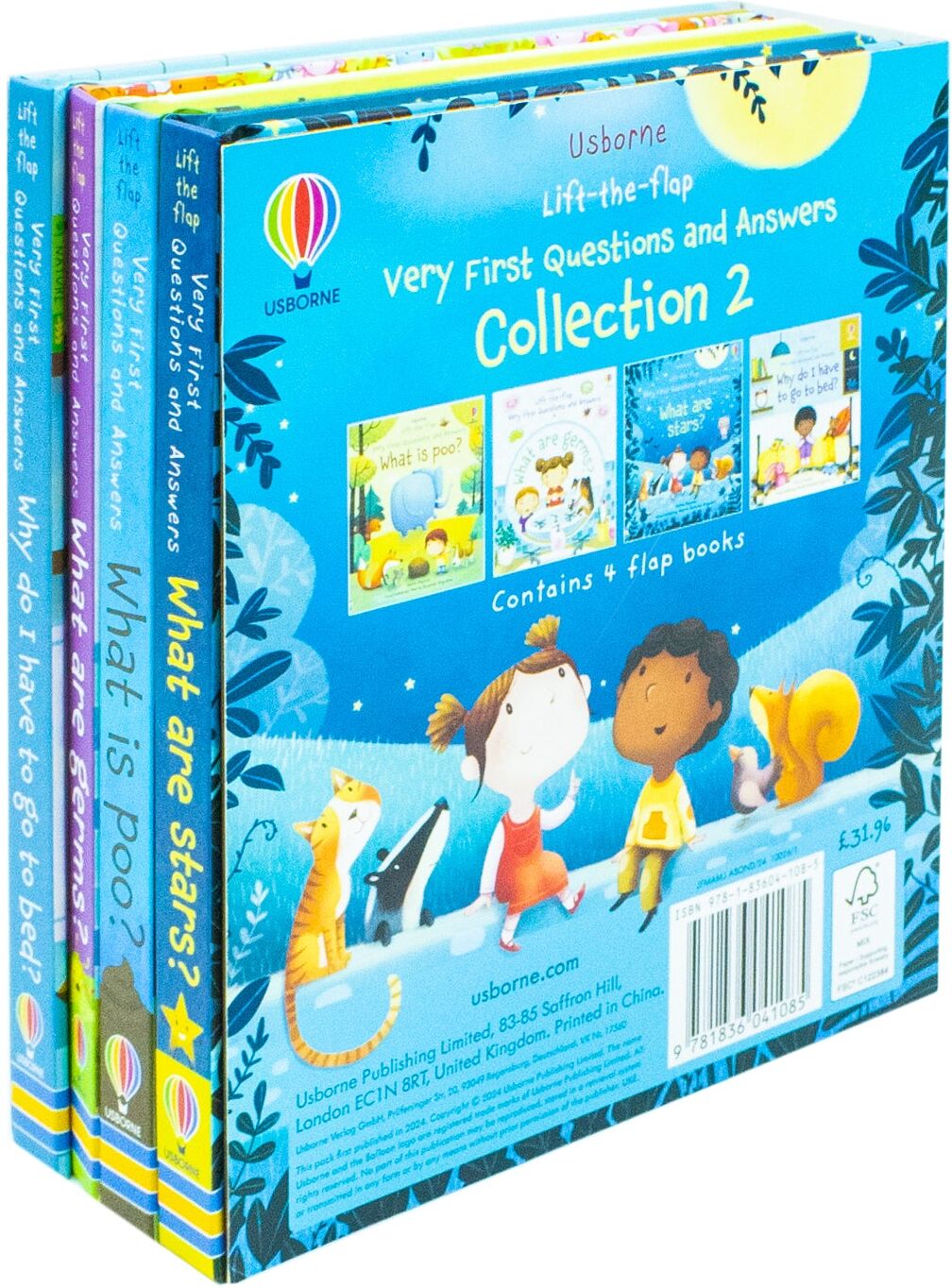
Usborne Lift-The-Flap Very First Questions and Answers Collection 2 - 4 Books Set Educational Discovery Collection for KidsWhy do I have to Go To Bed? This charming book explains the dos and don'ts for a good night's sleep. Discover what siestas are for, how sea otters sleep and why the dark doesn't need to be scary. What are Germs? What are germs? How do they spread? And how do medicines help? Curious young children can take a closer look at those mischievous; microscopic bacteria and viruses in this fascinating introduction to germs and hygiene; with 30 flaps to lift and tips on hand-washing and staying healthy. What is Poo? What is poo? Does everyone do it? And where does it all go? Children can lift the flaps to find the answers in this surprisingly charming book; and discover how much poo an elephant does; and what you can do with poo... There's even a Who did these poos? quiz. A very informative little book! What are Stars? They twinkle in the night sky; but what exactly are stars? Which one's the nearest? Can humans visit a star? Curious little children can lift over 30 flaps to find the answers to these questions and many more in this delightful introduction to stars and the night sky; with simple explanations and gorgeous illustrations on every page.12,99 £*Shipping: 2,99 £Secure redirect to the provider
-
Questions upon questions: Emigrating to Serbia?
Emigrating to Serbia can be a complex process that requires careful planning and consideration. It is important to research the visa requirements, job opportunities, cost of living, and cultural differences before making the decision to move. Seeking advice from expats who have already made the move or consulting with immigration professionals can also be helpful in navigating the emigration process. Ultimately, it is essential to weigh the pros and cons and make an informed decision based on your individual circumstances and goals. **
-
What are Tarot questions about questions?
Tarot questions about questions are inquiries that seek guidance and insight into a specific situation or decision. These questions are designed to help the individual gain clarity and understanding about a particular issue by tapping into the wisdom of the Tarot cards. They can be used to explore different perspectives, uncover hidden influences, and provide guidance on how to approach a situation. Ultimately, Tarot questions about questions are a tool for self-reflection and introspection. **
-
Which questions are actually not questions?
Some questions that are not actually questions include rhetorical questions, which are asked for effect or to make a point rather than to elicit a response. For example, "Isn't it a beautiful day?" is a rhetorical question because the speaker is not seeking an answer, but rather making a statement about the weather. Additionally, some statements may be phrased as questions but are not seeking a genuine response, such as "You're not serious, are you?" which is more of an expression of disbelief than a true question. **
-
How can one prevent children from asking silly questions?
It is important to remember that children's questions are a natural part of their curiosity and learning process. Instead of preventing them from asking questions, it is more beneficial to encourage them to ask questions and provide them with guidance on how to ask thoughtful and relevant questions. Parents and educators can help children develop critical thinking skills by engaging in discussions, encouraging them to explore topics further, and teaching them how to research and find answers to their questions. By fostering a positive environment for questioning and learning, children will be more likely to ask meaningful questions. **
* All prices are inclusive of VAT and, if applicable, plus shipping costs. The offer information is based on the details provided by the respective shop and is updated through automated processes. Real-time updates do not occur, so deviations can occur in individual cases. ** Note: Parts of this content were created by AI.