Buy kispali.eu ?
We are moving the project
kispali.eu .
Are you interested in purchasing the domain
kispali.eu ?
domain@kv-gmbh.de · 0541-91531010
Buy kispali.eu ?
What are clutch and brake?
Clutch and brake are two important components of a vehicle's transmission system. The clutch is used to engage and disengage the engine from the transmission, allowing the driver to change gears and control the power flow to the wheels. The brake, on the other hand, is used to slow down or stop the vehicle by applying friction to the wheels, converting the kinetic energy of the vehicle into heat. Both the clutch and brake are essential for controlling the speed and movement of a vehicle, ensuring safe and efficient driving. **
Are clutch and brake levers universal?
Clutch and brake levers are not universal, as they can vary in size, shape, and mounting style depending on the make and model of the motorcycle. Different manufacturers may use different designs for their levers, so it's important to ensure that you are purchasing the correct levers for your specific bike. Additionally, some aftermarket levers may be designed to be adjustable or have different features, so it's important to choose the right ones for your bike. **
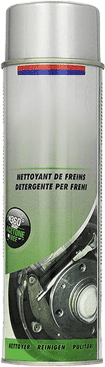
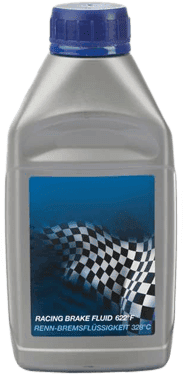
Similar search terms for MOTUL-112245-Brake-Clutch
Top-Angebote
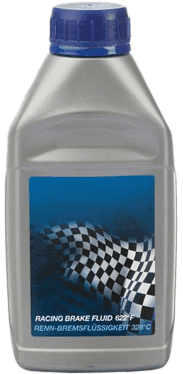
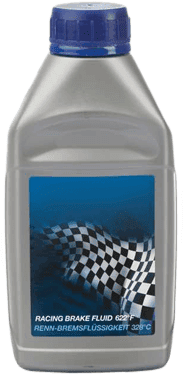
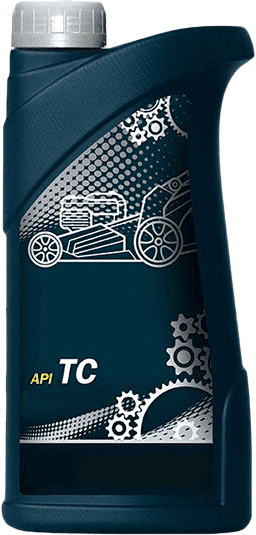
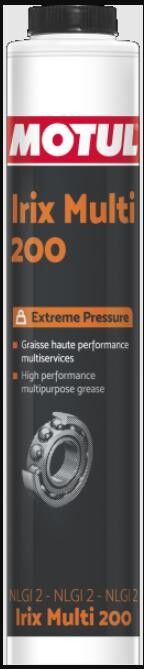
Products related to MOTUL-112245-Brake-Clutch:
-
Can brake and clutch levers be registered?
No, brake and clutch levers cannot be registered. These components of a vehicle are not considered to be separate entities that require registration. Instead, they are integral parts of the vehicle and are covered under the vehicle's registration. Therefore, there is no need to register brake and clutch levers separately. **
-
Can the clutch be used as a brake?
No, the clutch cannot be used as a brake. The clutch is a mechanism that disengages the engine from the transmission, allowing the driver to change gears. It is not designed to slow down or stop the vehicle. Using the clutch as a brake can cause damage to the clutch system and is not a safe or effective way to slow down or stop a vehicle. It is important to use the brake pedal to slow down and stop the vehicle. **
-
Can I use brake fluid for the clutch?
No, brake fluid should not be used for the clutch. The clutch system in a vehicle requires a specific type of hydraulic fluid, typically referred to as clutch fluid or hydraulic clutch fluid. Using brake fluid in the clutch system can cause damage to the clutch components and may lead to clutch failure. It is important to always use the recommended fluid for each specific system in a vehicle to ensure proper function and to avoid potential damage. **
-
How can you brake without using the clutch?
To brake without using the clutch, you can simply release the accelerator pedal and apply the brake pedal gradually to slow down the vehicle. As you press the brake pedal, the engine will slow down due to the resistance from the braking system, allowing you to come to a stop without needing to engage the clutch. It is important to remember to downshift to lower gears as you slow down to prevent stalling the engine. **

How do you brake while releasing the clutch?
To brake while releasing the clutch, you should use your left foot to press the clutch pedal all the way down to the floor. Then, use your right foot to apply the brake pedal gently to slow down the vehicle. As you release the clutch pedal slowly, continue to apply the brake as needed to control the speed of the car. It's important to coordinate the movements of both feet smoothly to avoid stalling the engine or jerky movements. **
Should one brake with the clutch or without?
It is generally recommended to brake with the clutch engaged. This helps to reduce wear and tear on the transmission and clutch components. Additionally, braking with the clutch engaged can provide better control over the vehicle, especially in slippery or low-traction conditions. However, in certain situations, such as emergency braking, it may be necessary to brake without engaging the clutch to stop the vehicle quickly. **
Top-Angebote
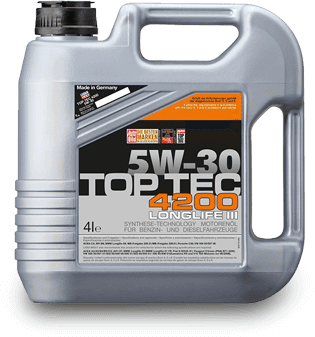
Products related to MOTUL-112245-Brake-Clutch:
-
What are clutch and brake?
Clutch and brake are two important components of a vehicle's transmission system. The clutch is used to engage and disengage the engine from the transmission, allowing the driver to change gears and control the power flow to the wheels. The brake, on the other hand, is used to slow down or stop the vehicle by applying friction to the wheels, converting the kinetic energy of the vehicle into heat. Both the clutch and brake are essential for controlling the speed and movement of a vehicle, ensuring safe and efficient driving. **
-
Are clutch and brake levers universal?
Clutch and brake levers are not universal, as they can vary in size, shape, and mounting style depending on the make and model of the motorcycle. Different manufacturers may use different designs for their levers, so it's important to ensure that you are purchasing the correct levers for your specific bike. Additionally, some aftermarket levers may be designed to be adjustable or have different features, so it's important to choose the right ones for your bike. **
-
Can brake and clutch levers be registered?
No, brake and clutch levers cannot be registered. These components of a vehicle are not considered to be separate entities that require registration. Instead, they are integral parts of the vehicle and are covered under the vehicle's registration. Therefore, there is no need to register brake and clutch levers separately. **
-
Can the clutch be used as a brake?
No, the clutch cannot be used as a brake. The clutch is a mechanism that disengages the engine from the transmission, allowing the driver to change gears. It is not designed to slow down or stop the vehicle. Using the clutch as a brake can cause damage to the clutch system and is not a safe or effective way to slow down or stop a vehicle. It is important to use the brake pedal to slow down and stop the vehicle. **
Similar search terms for MOTUL-112245-Brake-Clutch
-
MOTUL 112630 AntifreezeCapacity [litre]: 5; Container Type: Canister; Colour: Orange; Properties: Concentrate; Mixing Ratio: -22°C(67/33), -30°C(60/40), -41°C(50/50), -54°C(60/40); Vehicle type: Car; Chemical Properties: Borate free, Amine free, Free of nitrite, Free of silicate, Phosphate free; Coolant manufacturer recommendation: G12, G12+; Gross Weight [kg]: 6,085; Specification: ASTM D3306, ASTM D4985, BRB BR 637, BS 6580, FVV Heft R443, UNE 26-361-88/1; Manufacturer recommendations: VW TL-774 D, VW TL-774 F, CUMMINS 32-9011, DAF 74002, Deutz 0199-99-1115, Fiat 9.55523, Ford WSS-M97B44-D, GM 6277-M, JLR CMR 8229, JOHN DEERE JDM H5, Komatsu 07.892, Leyland DW03245403, Liebherr MD1-36-130, MAN 324 SNF, MB 325.3, Mitsubishi JQ07913-0, MTU MTL 5048, MWM 0199-99-2091, Renault 41-01-001, Opel QL 130100, Volvo 128 6083; Product line: Auto Cool; Version: Optimal Ultra; Liquid: ; Fill quantity [l]: 5, 6,5, 5,3, 4,5, 6,8, 5,7, 5,5, 7,3, 9, 7,5, 8,3, 4,6, 6,6, 9,4, 16,7, 10,3, 8,6, 11,3, 12,7, 11,8, 5,2, 10,1, 13,2, 7,8, 5,8, 5,6, 7, 6,9, 10,9, 7,2, 5,9, 6,2, 10, 9,5, 7,1, 6, 8,5, 6,3, 10,8, 17, 15,9, 11,5, 7,6, 6,4, 13, 12, 8,8, 9,7, 10,2, 8,4, 9,9, 14,6, 14,1, 8,7, 8,14, 6,7, 7,7, 8, 10,5, 6,1, 7,4, 9,8, 9,3, 7,93, 6,16, 5,1, 9,6, 13,5, 11, 4,3, 11,9, 12,5, 17,3, 7,9, 4,56, 4,7, 3, 15, 14, 4,8, 8,2, 5,75, 4,4, 4,2, 11,2, 11,1, 16,5, 10,4, 3,6, 12,4, 12,3, 10,7, 6,75, 6,25, 14,35, 12,9, 4,9, 2,4, 2,8, 9,2, 7,25, 8,1, 4, 13,8, 14,2, 12,2, 5,33, 9,1, 6,45, 5,4, 5,25, 4,75, 7,05, 4,1, 12,61, 16, 16,3, 8,15, 7,35, 16,9, 3,8, 5,27, 19, 11,6, 21, 15,5, 12,6, 10,6, 23,7, 18, 15,3, 15,7, 4,85, 2,26, 14,9, 12,1, 15,6, 9,63, 27, 8,9, 15,1, 14,4, 2,33, 17,1, 12,8, 21,4, 5,18, 24, 13,6, 8,93, 7,13, 8,83, 14,7, 11,7, 20, 8,05, 3,9, 6,83, 3,5, 11,4, 16,1, 1, 3,3, 14,3, 8,96, 19,7, 1,5, 2,6, 22, 2,7, 5,45, 1,9, 7,68, 5,06, 9,46, 13,9, 13,35, 11,92, 12,56, 4,86, 0,9, 13,4, 9,03, 8,56, 3,63, 11,85, 13,7, 7,85, 2,5, 17,8; Model Year from: 2010, 1993, 1996, 1995, 1994, 1992, 1999, 1998, 2012, 2013, 2015, 2014, 2000, 2001, 2016, 2011, 2008, 2006, 2003, 2005, 2009, 2004, 2007, 2018, 2017, 2002, 2019; Model Year to: 2013, 1996, 1998, 1994, 1999, 1995, 1997, 2000, 2001, 2015, 2022, 2014, 2003, 2002, 2012, 2018, 2010, 2006, 2005, 2007, 2020, 2017, 2016, 2009, 2019, 2011, 2004, 2021; Fill quantity from [l]: 6,4, 13,2, 5,8, 5,3, 5,4, 11, 5,5, 6,7, 7,1, 6,5, 18, 5, 5,9, 7,4, 9,1, 8,5, 5,7, 13,5, 8,6, 6,1, 7,2, 8,4, 4,5, 13,1, 9,35, 11,1, 6,8, 6,3, 4,4, 4,7, 10,8, 8,1, 12, 7,8, 7, 10, 6,2, 9,8, 4,3, 10,5, 11,8, 19, 6,6, 11,3, 10,25, 9,45, 12,35, 5,6, 11,5, 9,9, 8,2, 9,7, 8, 14, 14,4, 15,3, 23,6, 8,8, 9, 9,2, 9,5, 4,8, 16,5, 23,7, 7,7, 7,6, 4,2, 12,9, 14,5, 9,6, 15,6, 15, 13,9, 14,6, 7,5, 9,4, 7,13, 8,83, 6,9, 9,3, 8,05, 8,9, 20,8, 10,9, 6,83, 8,7, 3,6, 7,3, 4,1, 14,3, 14,8, 13, 11,2, 5,25, 3,5, 3,35, 12,4, 6, 4,64, 4,84, 10,4, 14,7, 2,7, 10,6, 10,7, 8,3, 4,9, 9,05, 6,38, 3, 11,92, 20, 12,5, 5,32, 1,66, 0,63, 0,65, 5,2, 1; Fill capacity to [l]: 7,2, 13,9, 5,9, 6,5, 11,5, 7, 7,3, 21, 5,1, 6,9, 7,6, 9,3,...58,99 £*Shipping: 8,45 £Secure redirect to the provider
-
MOTUL 109949 Engine oilOil Viscosity Classification SAE: 0W-20; Capacity [litre]: 1; Specification: ACEA C5; Manufacturer recommendations: Renault RN17 FE; Product line: SPECIFIC; Version: 17 FE; ACEA: ACEA C5; Liquid: ; Engine Code: D4FE, H5H, K9K21,49 £*Shipping: 8,45 £Secure redirect to the provider
-
Can I use brake fluid for the clutch?
No, brake fluid should not be used for the clutch. The clutch system in a vehicle requires a specific type of hydraulic fluid, typically referred to as clutch fluid or hydraulic clutch fluid. Using brake fluid in the clutch system can cause damage to the clutch components and may lead to clutch failure. It is important to always use the recommended fluid for each specific system in a vehicle to ensure proper function and to avoid potential damage. **
-
How can you brake without using the clutch?
To brake without using the clutch, you can simply release the accelerator pedal and apply the brake pedal gradually to slow down the vehicle. As you press the brake pedal, the engine will slow down due to the resistance from the braking system, allowing you to come to a stop without needing to engage the clutch. It is important to remember to downshift to lower gears as you slow down to prevent stalling the engine. **
-
How do you brake while releasing the clutch?
To brake while releasing the clutch, you should use your left foot to press the clutch pedal all the way down to the floor. Then, use your right foot to apply the brake pedal gently to slow down the vehicle. As you release the clutch pedal slowly, continue to apply the brake as needed to control the speed of the car. It's important to coordinate the movements of both feet smoothly to avoid stalling the engine or jerky movements. **
-
Should one brake with the clutch or without?
It is generally recommended to brake with the clutch engaged. This helps to reduce wear and tear on the transmission and clutch components. Additionally, braking with the clutch engaged can provide better control over the vehicle, especially in slippery or low-traction conditions. However, in certain situations, such as emergency braking, it may be necessary to brake without engaging the clutch to stop the vehicle quickly. **
* All prices are inclusive of VAT and, if applicable, plus shipping costs. The offer information is based on the details provided by the respective shop and is updated through automated processes. Real-time updates do not occur, so deviations can occur in individual cases. ** Note: Parts of this content were created by AI.